
Beat the Heat: Smart Irrigation Strategies for a Thriving Phoenix Landscape
The summer sun in The Valley is no joke. When temperatures soar into the triple digits, keeping your landscape green and healthy can feel like a full-time job. Many homeowners find themselves in a constant battle, trying to balance their plants' needs with concerns about high water bills and conservation. You might wonder if it's even possible to have a beautiful yard without wasting a precious resource. The good news is, it absolutely is. The secret isn't just watering more; it's watering smarter. This guide will walk you through effective irrigation strategies that will help your landscape survive and even thrive through the most extreme summer heat, all while saving you water and money.
Moving Beyond Outdated Watering Habits
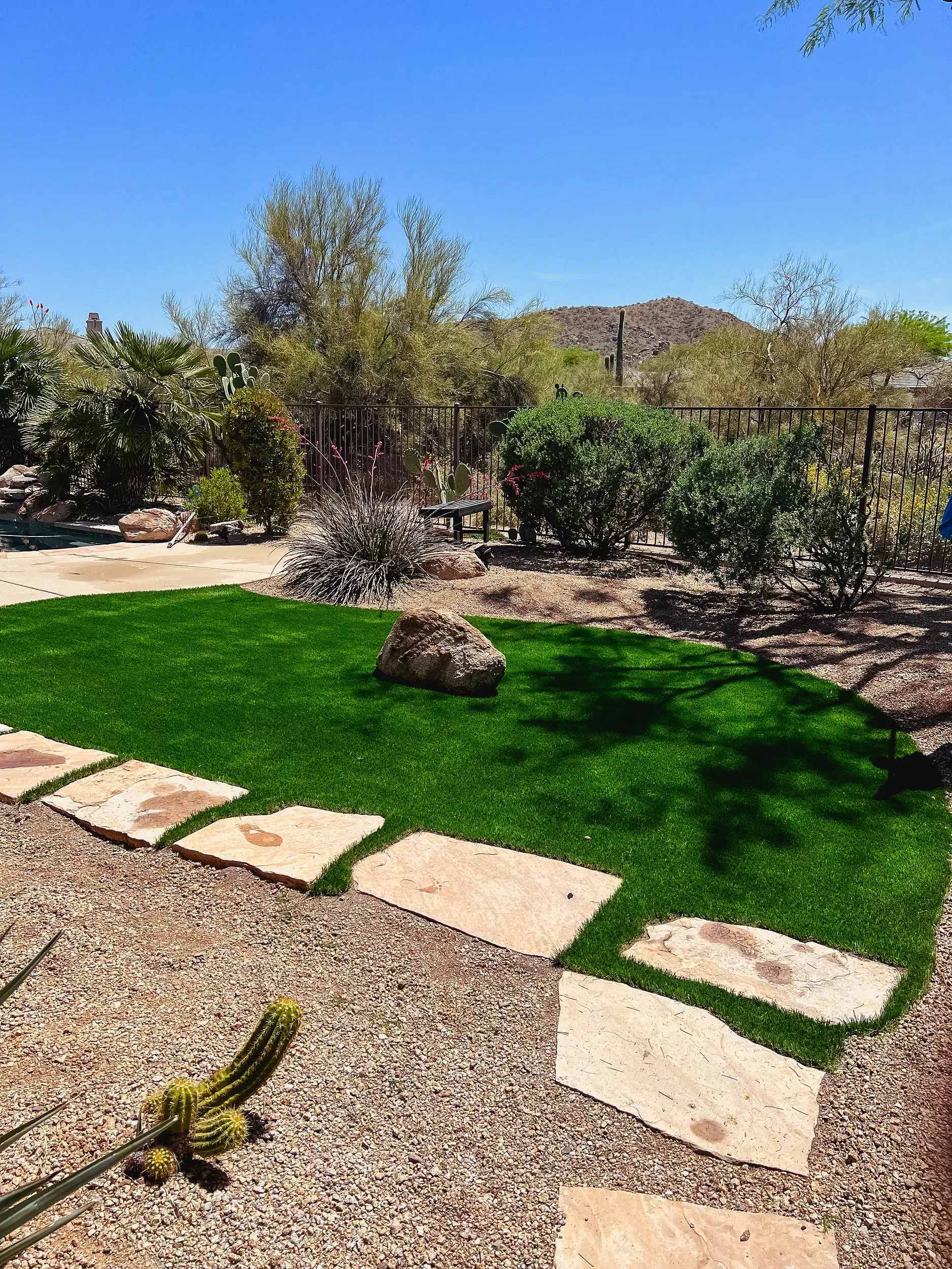
For years, the standard approach to watering was a simple timer connected to a sprinkler system, set to run for a fixed amount of time every few days. While this method is better than nothing, it's incredibly inefficient in our desert climate. Traditional spray heads can lose up to 50% of their water to evaporation before it ever reaches the soil, especially when watering in the heat of the day. This “set it and forget it” approach often leads to shallow root systems, making plants more vulnerable to drought and heat stress. It also fails to account for the unique needs of different plants or changes in weather, like an unexpected downpour during monsoon season. If you're seeing dry patches, wilting plants, or a surprisingly high water bill, your irrigation method is likely the culprit.
The Foundation: Watering Deeply and Infrequently
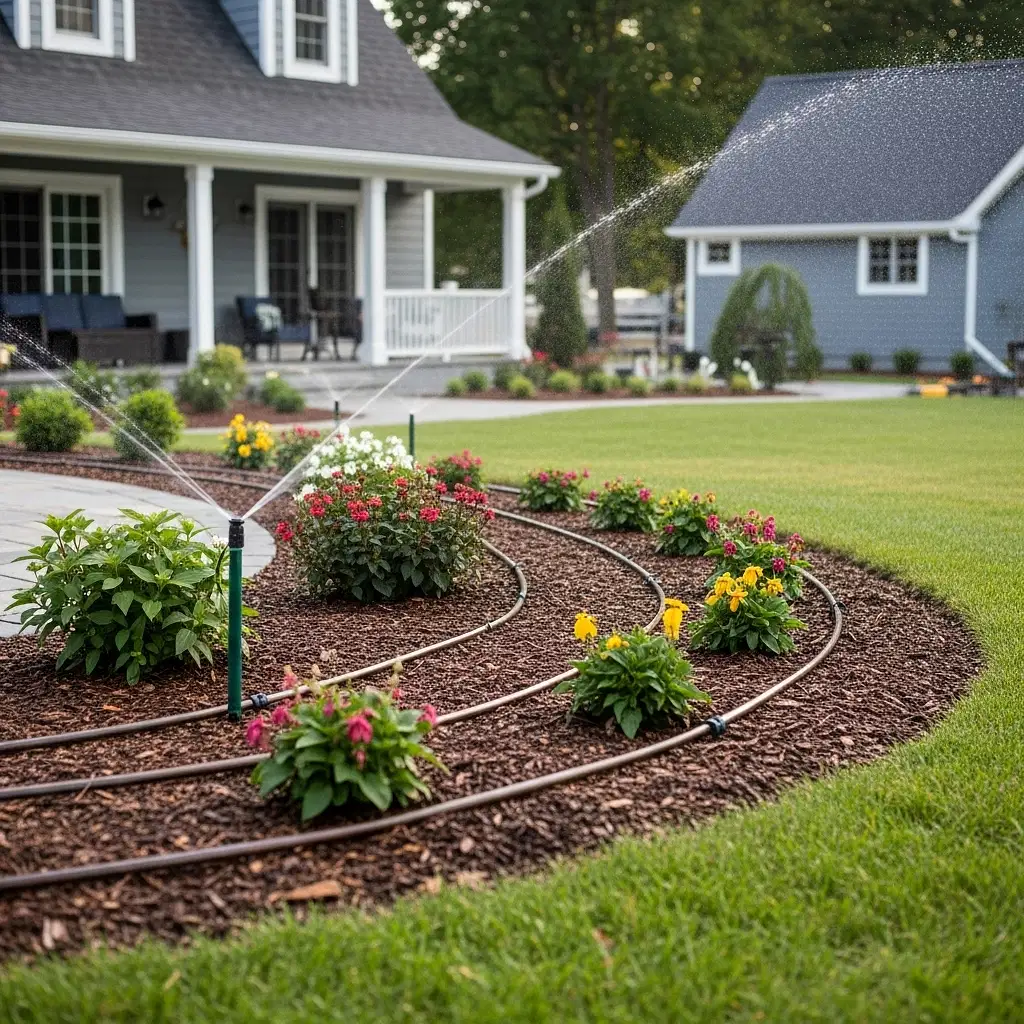
One of the most crucial principles for a resilient desert landscape is to water deeply but less often. This technique encourages plants to develop deep, robust root systems. When roots grow further down into the soil, they can access moisture that lingers long after the surface has dried out. This makes them far more resilient to the intense summer heat. Shallow, frequent watering does the opposite, creating a dependent, shallow root system that struggles the moment the top layer of soil dries. For lawns, this means watering long enough for the moisture to penetrate 6-8 inches deep. For trees and shrubs, it could be 12-18 inches or more. A professionally designed drip system is the perfect tool for this, as it delivers water slowly and directly to the root zone, minimizing runoff and evaporation and allowing for deep soil saturation.
Upgrading to a Smarter System for Ultimate Efficiency
Technology has transformed how we manage our landscapes, making it easier than ever to be water-wise. A modern, smart irrigation system is the single best investment you can make for the health of your yard and the health of your wallet.
Key Components of a Smart System:
- Smart Controllers: These are the brains of the operation. Unlike old-school timers, smart controllers connect to Wi-Fi and use local weather data to adjust watering schedules automatically. They know not to run the sprinklers if it just rained or if high winds are predicted. You can control everything from an app on your phone, giving you complete command over your water usage.
- Drip Irrigation: As mentioned, a drip system is essential for any desert garden. By delivering water directly to the base of your plants, succulents, and trees, you ensure every drop is used effectively. This is a cornerstone of xeriscaping and low-maintenance landscape design.
- Proper Zoning: A successful landscape design groups plants with similar water and sun requirements together in different “zones.” Your irrigation system should be set up to match, allowing you to give thirsty plants the water they need without overwatering your drought-tolerant cacti. This customized approach prevents waste and keeps all your plants healthy.
By combining these elements, you can significantly reduce your water consumption and ensure your landscape gets exactly what it needs to flourish.
Timing is Everything: When and How to Adjust
Even with the best system, when you water matters. The optimal time to run your irrigation is in the early morning, typically between 4 a.m. and 8 a.m. During these cooler hours, less water is lost to wind and evaporation, and the water has time to soak into the soil before the sun gets intense. Watering in the evening can sometimes promote fungal growth, while midday watering is the least efficient.
It's also vital to adjust your system seasonally. Your landscape's water needs in July are vastly different from its needs in December. A smart controller can help automate this, but it's always a good idea to perform seasonal check-ups. Make sure emitters aren't clogged, check for leaks, and adjust schedules to match the weather, especially as we enter and exit the summer and monsoon seasons.
Take Control of Your Landscape's Health and Water Use
A beautiful, thriving landscape is possible even in the face of extreme Phoenix summers. It all comes down to a smart, strategic approach to watering. By moving away from outdated methods and embracing modern technology like smart controllers and efficient drip systems, you can cultivate a resilient, water-wise oasis.
If you're ready to upgrade your system or want to create a landscape designed to thrive in our unique climate, we're here to help. At North West Valley Landscapes LLC, we specialize in creating beautiful, sustainable outdoor spaces for homeowners across Peoria and the surrounding areas. Contact us today for a consultation on our irrigation systems, landscape design, and comprehensive residential landscaping services. Let's build a yard you can enjoy all year long.