
A Homeowner's Guide to Protecting Your Landscape from Monsoon Damage
Here in the Valley, the arrival of monsoon season is a double-edged sword. We welcome the dramatic skies, the fresh scent of rain on desert soil, and the much-needed break from the relentless heat. But with that relief comes the threat of powerful winds, torrential downpours, and the infamous haboob. These storms can wreak havoc on a landscape you’ve invested time and money into creating. At North West Valley Landscapes LLC, we help homeowners across the Phoenix area prepare for and recover from the unique challenges of our summer storms. This guide will walk you through the essential steps to protect your plants, hardscapes, and irrigation systems, ensuring your outdoor oasis remains beautiful and resilient all year long.
Before the Storm: Proactive Preparation is Key
The best way to handle monsoon damage is to prevent it from happening in the first place. A little proactive care in late spring and early summer can save you significant headaches and expense later. By preparing your yard, you create a more defensible space that can better withstand high winds and sudden deluges.
1. Prune and Trim Trees and Shrubs: Overgrown or weak branches are the first things to break in high winds, potentially damaging your home, fence, or other plants. Thinning the canopy of larger trees allows wind to pass through more easily, reducing the risk of them being uprooted. Focus on removing dead, damaged, or crossing branches. This not only makes your trees safer but also promotes healthier growth.
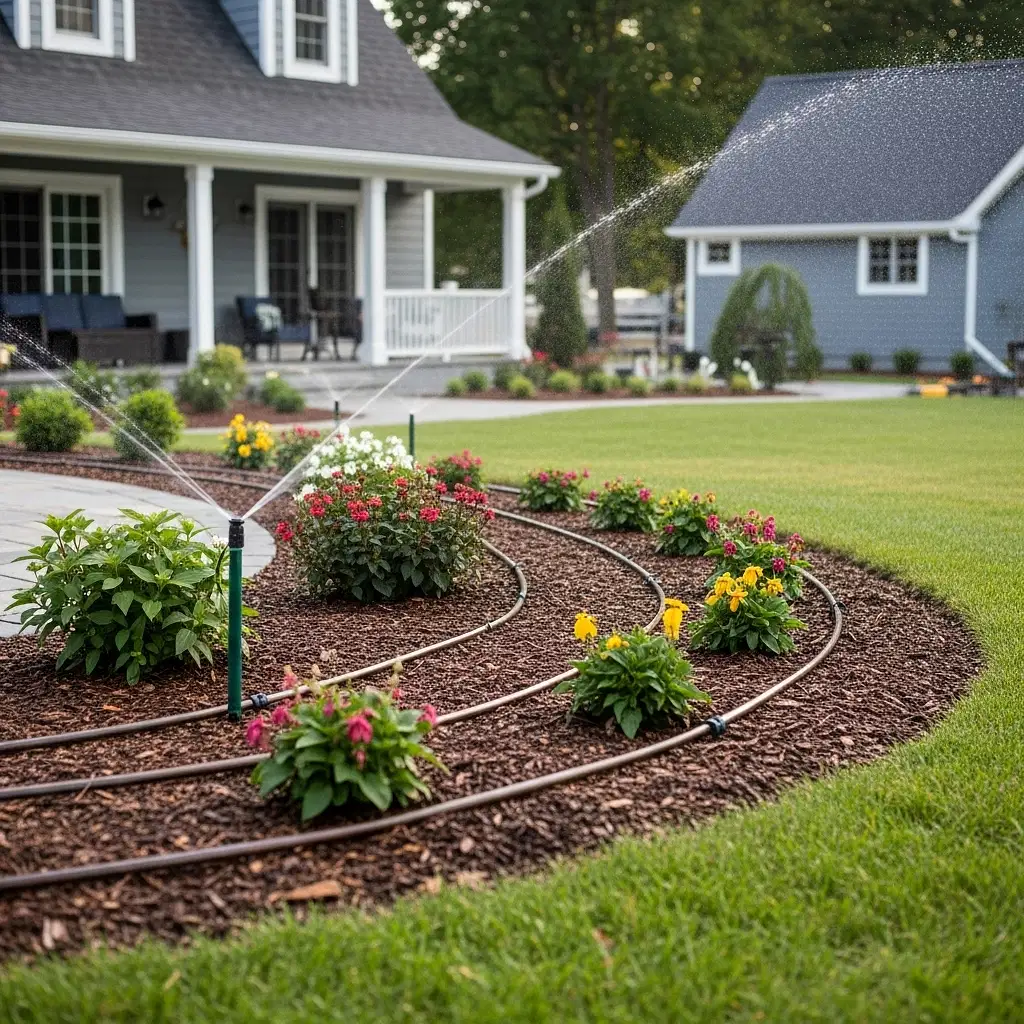
2. Inspect and Adjust Your Irrigation System: A properly functioning irrigation system is crucial for plant health, but it needs special attention before the monsoon. Check for leaks, clogged emitters, or broken sprinkler heads. A small leak can become a major washout during a heavy downpour, leading to soil erosion. It's also a great time to ensure your controller is working correctly and to consider installing a rain sensor. This smart device will automatically pause your watering schedule when it rains, conserving water and preventing your plants from becoming waterlogged. A well-maintained sprinkler and irrigation system is one of your best defenses against both drought and flooding.
3. Secure Your Outdoor Living Space: Those beautiful pots, stylish patio furniture, and shade sails can become dangerous projectiles in a severe storm. Take inventory of any loose items in your yard. Securely store lightweight furniture, cushions, umbrellas, and garden decor. For larger items like grills and pergolas, ensure they are stable and properly anchored.
4. Clear Drainage Pathways: Make sure water has a clear path to exit your property. Remove leaves, debris, and overgrown plants from drainage ditches, scuppers, and natural swales. Blocked drainage can lead to pooling water that can drown plants and damage your home's foundation.
During the Rains: Smart Water Management
Once the storms start rolling in, your primary job is to let your preparations do their work and manage your water usage intelligently. The monsoon provides a significant amount of natural irrigation, and adjusting your habits accordingly is vital for the health of your desert-adapted landscape.
Your most important task is to turn off your automatic sprinklers and drip systems when significant rain is in the forecast or after a storm has passed. Even drought-tolerant plants can suffer from root rot if their soil remains saturated for too long. If you have a smart controller or a rain sensor, it will handle this for you. If not, manual adjustments are essential.
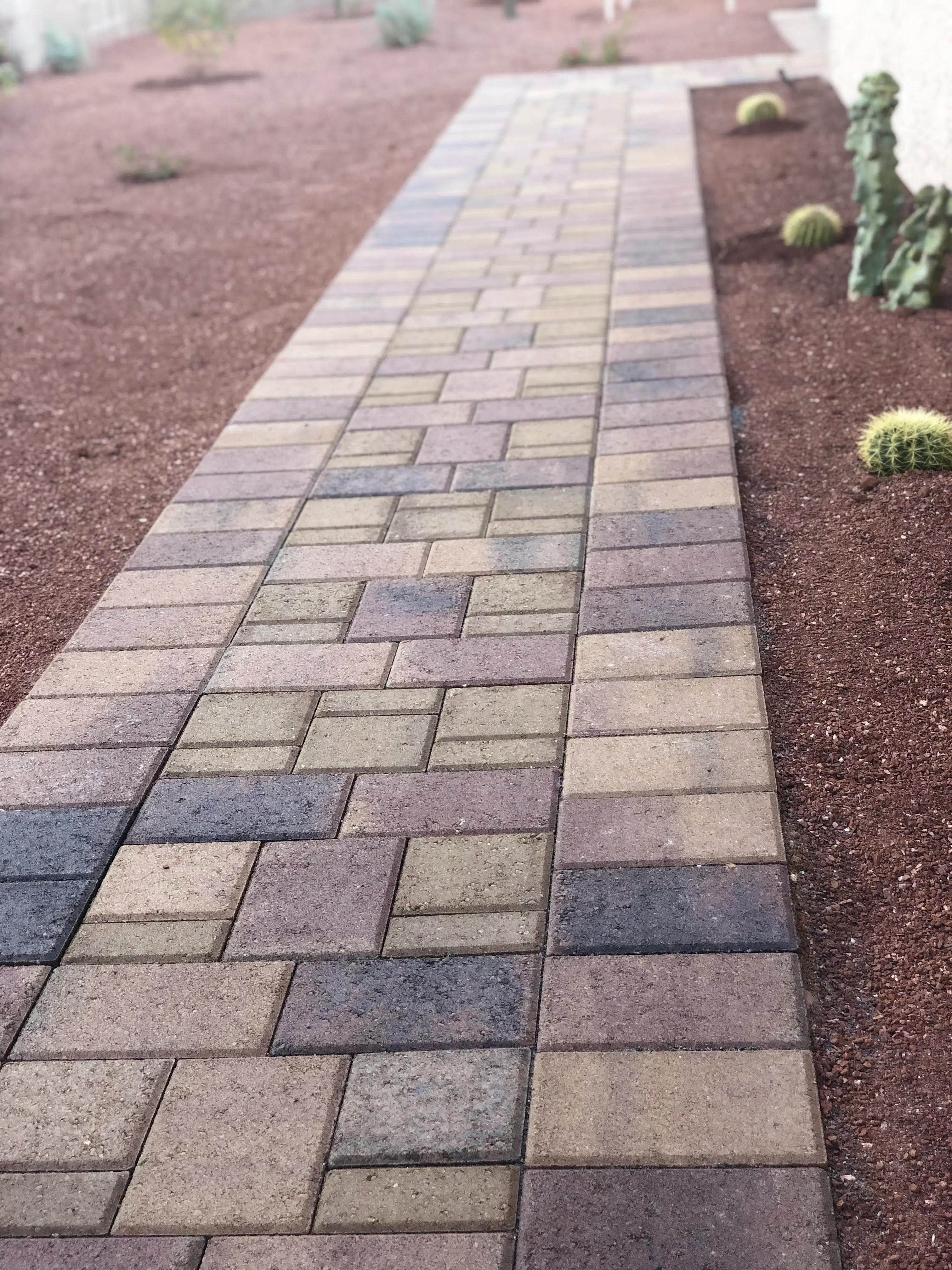
This is also an excellent opportunity to observe how your landscape handles water. Watch where rain flows and where it pools. Does it drain away from your foundation effectively? Does it collect in your hardscape areas? These observations are invaluable for future landscape design improvements. Properly graded terrain, permeable pavers, and strategically placed rock beds can help channel monsoon rains to nourish your plants rather than causing problems.
After the Storm: Cleanup and Recovery
After a storm passes, it's time to assess the situation and begin the cleanup process. Whether you're dealing with a thick layer of dust from a haboob or debris from high winds, a methodical approach will get your yard back in shape safely and efficiently.
1. Prioritize Safety: Before you begin any cleanup, inspect your property for immediate hazards. Look for downed power lines (stay far away and call your utility company immediately), large broken branches hanging precariously, or leaning trees. Be cautious of displaced critters that may have sought shelter in your yard.
2. Clean Up Debris: Start by removing any large branches and debris that have fallen. Rake up leaves and smaller twigs. A haboob can leave a thick coating of dust on everything. While it may seem overwhelming, a leaf blower can be effective for clearing dust from rock lawns and hardscapes. A gentle rinse with a hose can clean off plant leaves, allowing them to breathe and photosynthesize properly.
3. Assess Plant Health: Check your plants for signs of stress. Wind can cause branches to break, while heavy rain can lead to leaning or uprooting. Some plants might look sun-scorched if they were already stressed before the storm. Gently stake up any smaller plants that are leaning and prune away any newly broken branches. Give your landscape a few days to recover before making any major decisions about removing a plant that looks damaged.
4. Check Your Systems: Once the yard is clear, do another quick check of your irrigation system to ensure nothing was damaged during the storm. Turn your system back on and adjust the schedule based on how much rain you received and the upcoming forecast.
Stay Ahead of the Storm with Professional Help
Monsoon season is a fundamental part of life in the Sonoran Desert. By taking these proactive steps, you can minimize storm damage and ensure your landscape thrives. Preparation, smart water management, and timely cleanup are the keys to navigating the season successfully.
If you feel overwhelmed or need an expert hand, North West Valley Landscapes LLC is here to help. From pre-season pruning and irrigation check-ups to post-storm cleanup and creating a more storm-resistant landscape design, our team has the local knowledge to protect your investment. Contact us today to schedule a consultation for your residential landscaping needs and enjoy peace of mind this monsoon season in Peoria.